The Story
Shadows to Service to Legacy
How the memoir moves, and where it is going.
The arc
Five parts
Part I — Shadows
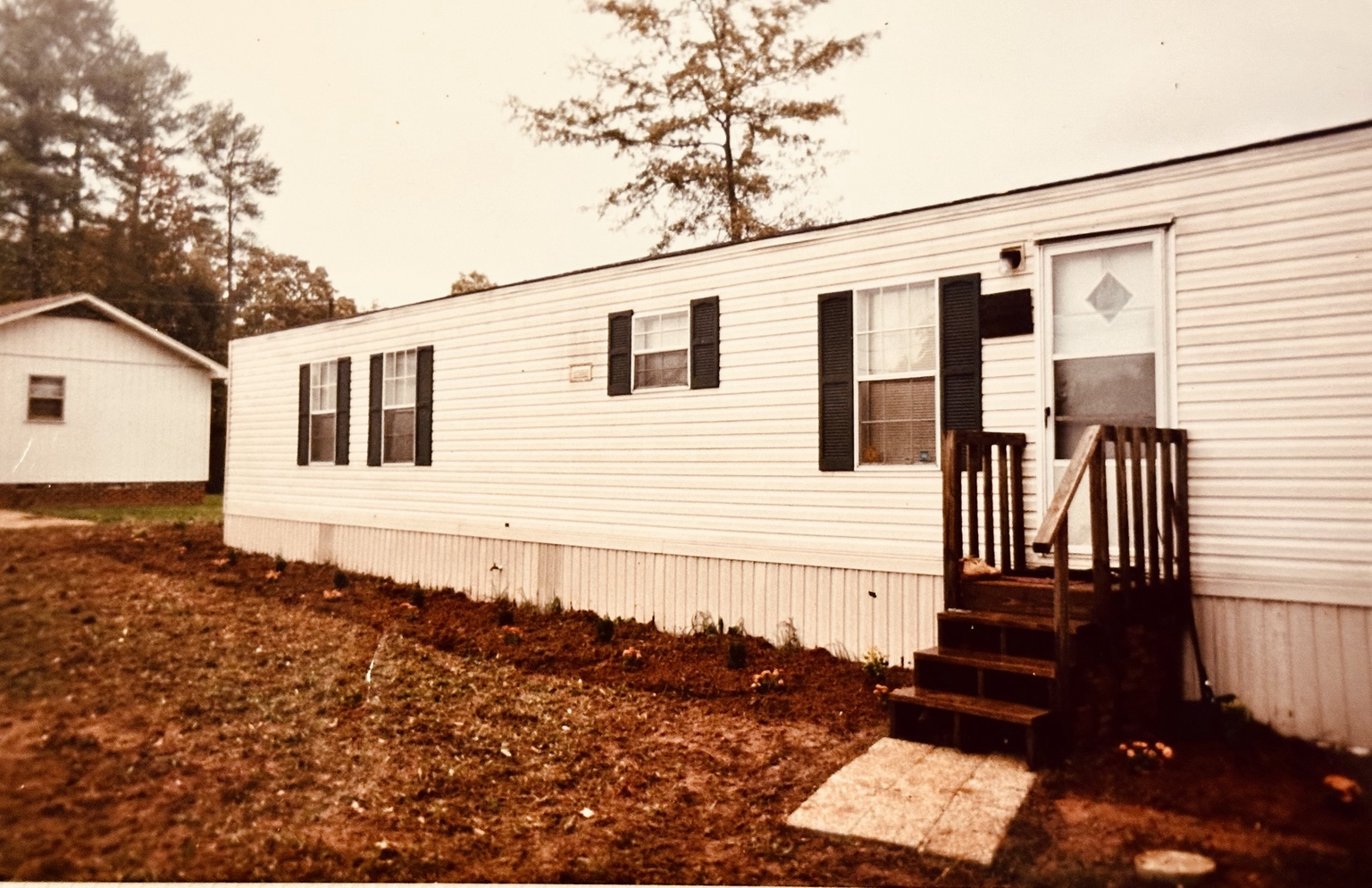
Anderson County, South Carolina. Red clay, thin walls, power shutoffs, and a house where violence was treated as normal. A boy learns to read a room before he can name fear.
Part II — Service
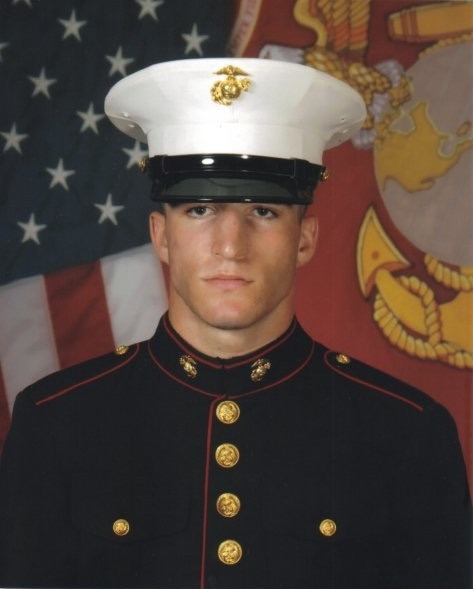
The Marine Corps as a gate rather than a dream: the yellow footprints at Parris Island, infantry training, Security Forces, ceremonial duty at 8th & I, Camp David, the night at Dover, and Helmand Province embedded with the Afghan 6th Kandak.
Part III — Return
The uniform comes off and the war stays in the ribs. A discharge paper, false starts, and years spent finding out what peace costs.
Part IV — Rebuild
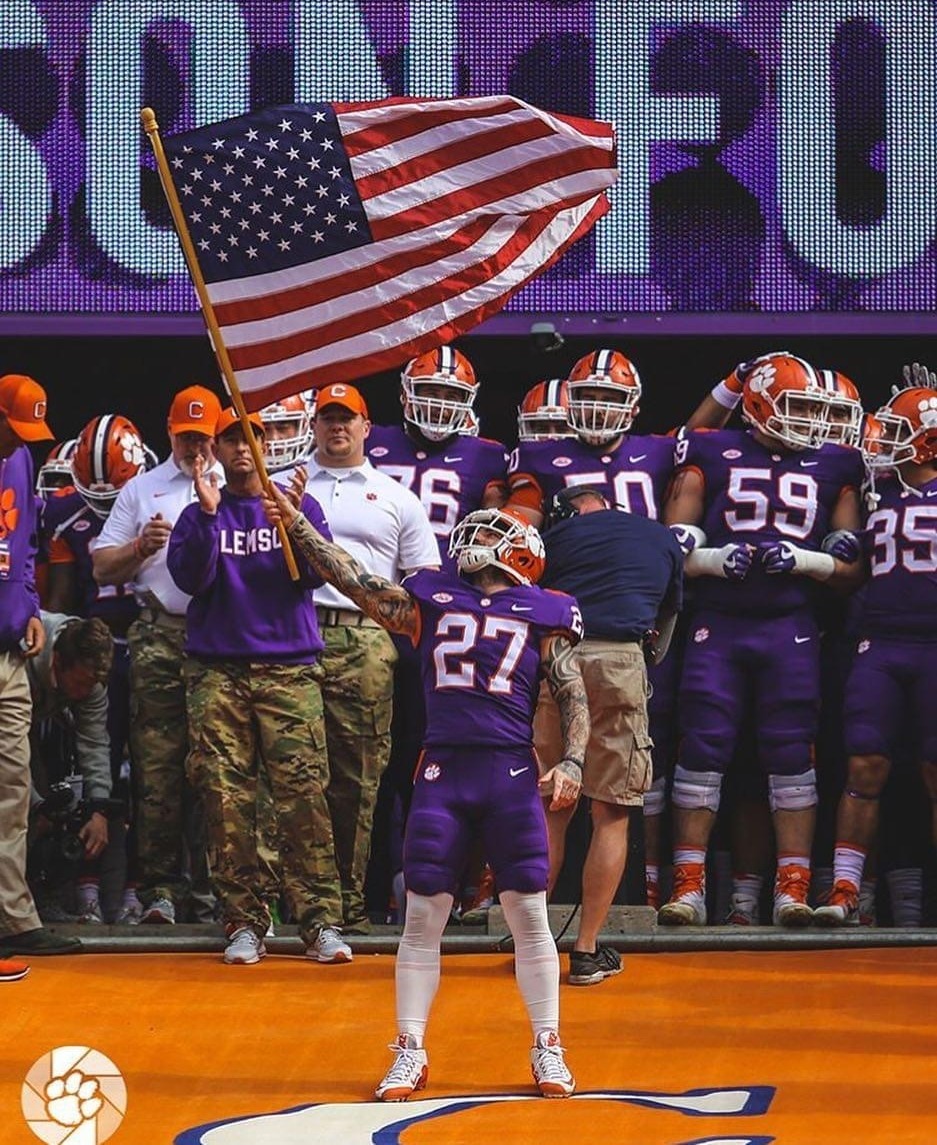
Community college to Clemson. On November 18, 2017, wearing #27, he carried the American flag down The Hill.
Part V — Legacy
Family land, a mother's death, and the decision to stop running and start stewarding — the work that became Dalton VanguardRoots.
Architecture
Chapter order
The book’s structure as published: front matter, five parts, and back matter.
Front matter
- Epigraph
- Author’s Note
- Preface — Coordinates
- Prologue — Dover’s Silence
Part I — Shadows
- 1 Red Clay & Thin Walls
- 2 The Trailer and the Tribe
- 3 Running at Fourteen
- 4 Witnesses
- 5 The Signatures
Part II — Service
- 6 The Yellow Footprints
- 7 Grunt University
- 8 Security Forces School
- 9 8th & I
- 10 Camp David
- 11 Dover’s Weight
- 12 Helmand: Arrival / The Prison
- 13 Helmand: Route 606 / Khash Rod
- 14 Helmand: The Letter / The Fallen
Part III — Return
- 15 DD-214
- 16 Nightlife
- 17 Knockouts
- 18 False Starts
- 19 Twenty-Five
Part IV — Rebuild
- 20 Operation 4.0
- 21 The Hill
- 22 Wrestling Ghosts
- 23 Detroit: On the Worst Day of Their Lives
Part V — Legacy
- 24 The Matriarch Falls
- 25 Three-Front War
- 26 Reinforcements
- 27 The Harvest
Back matter
- Epilogue — The Light Beneath Shadows
- Acknowledgments
- Final Word About the Author
Early years
Shadows, and the people inside them
The early chapters are not only about what went wrong in that house. They are also about the ordinary hours that ran alongside it — a birthday, a couch, a day at the water — and about a mother who is present in the book long before the reader understands what she is carrying.
These are low-resolution family snapshots, shown at their original size rather than enlarged.
Service
The Marine Corps years
Enlistment was a gate rather than a dream. The chapters that follow the yellow footprints at Parris Island carry the book from training into ceremonial duty, and from ceremonial duty into Helmand Province.
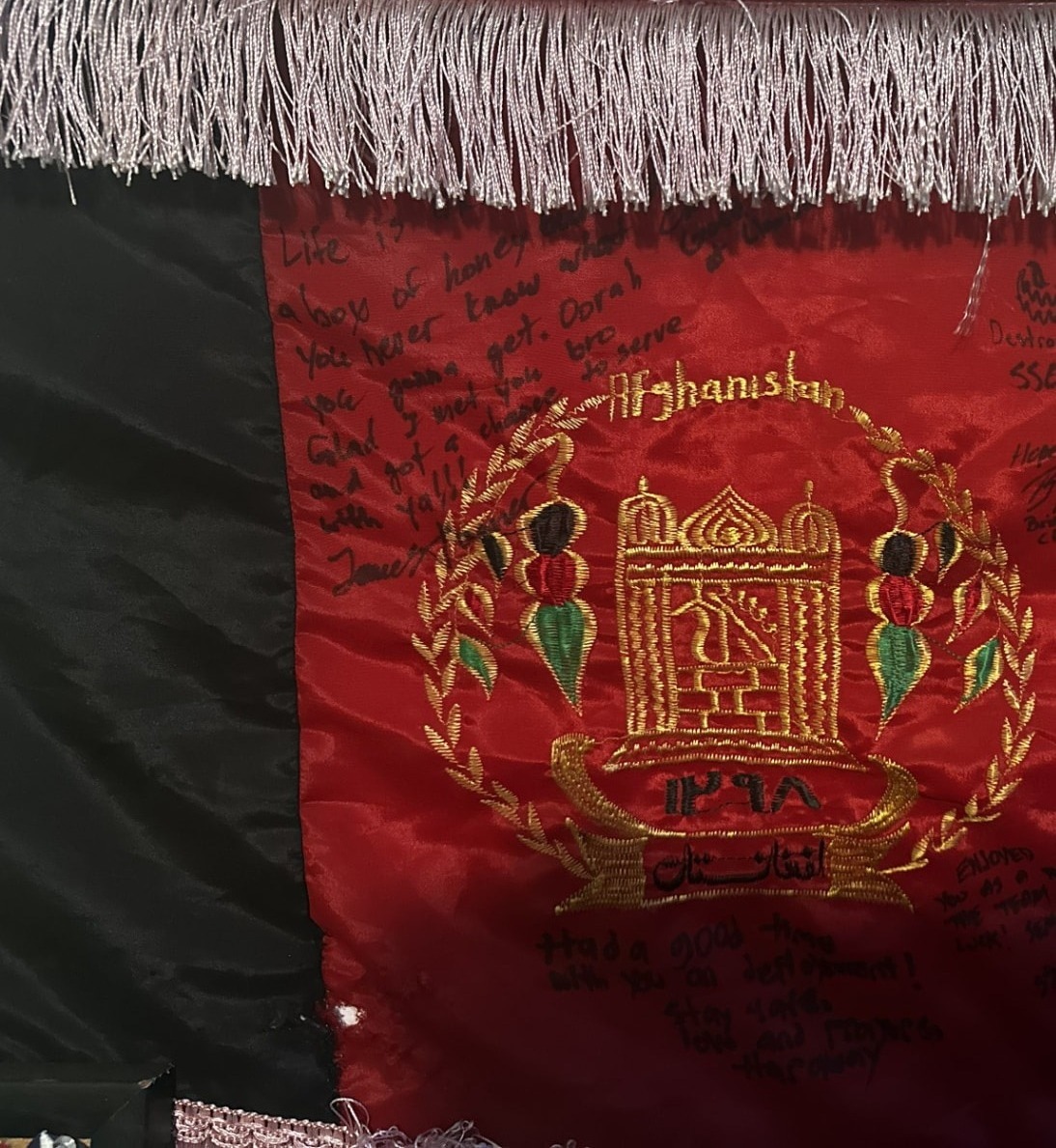
From the record
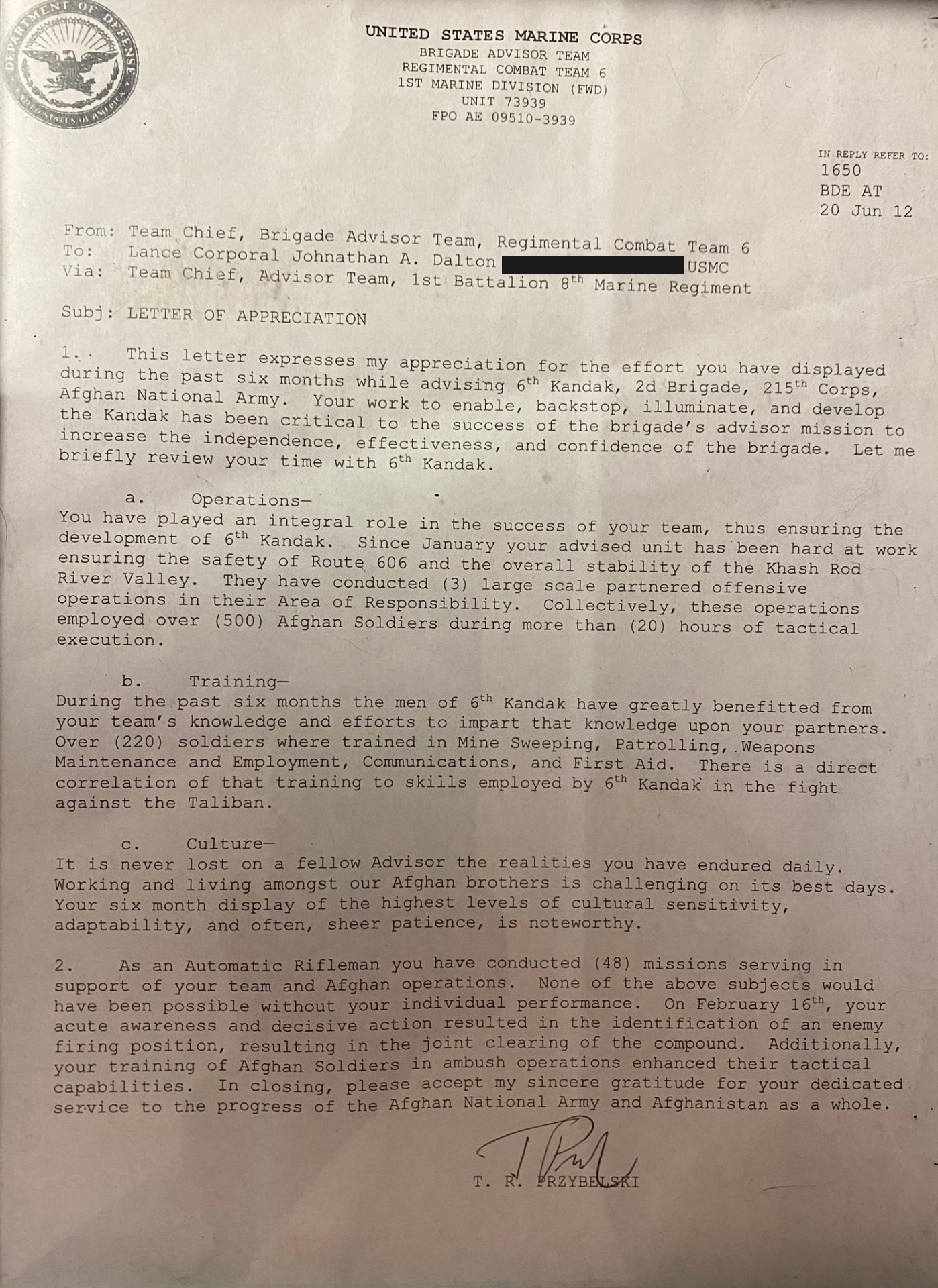
Reproduced as supplied. Nothing in the document has been altered apart from a solid redaction bar over the personal identification number.
From the field
Documentary archive
A handful of frames kept from the service years. They are reproduced here as they were supplied — small, imperfect, unaltered, and shown at their original size — and captioned only for what is visible in them.
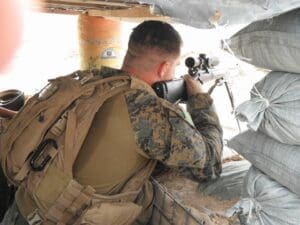
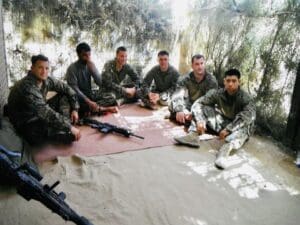
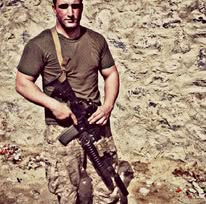
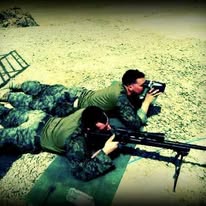
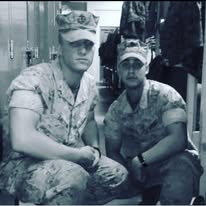
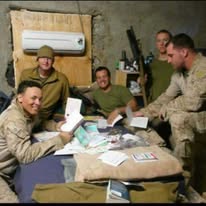
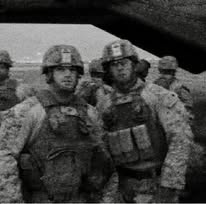
No dates, units, locations or identities are asserted for these photographs beyond what the author has confirmed.
Dover
The dignified transfer
Dover Air Force Base is where the fallen come home. The book’s prologue is set on that flight line — the carry, the cold, the floodlights, and the measurement the author took away from it.
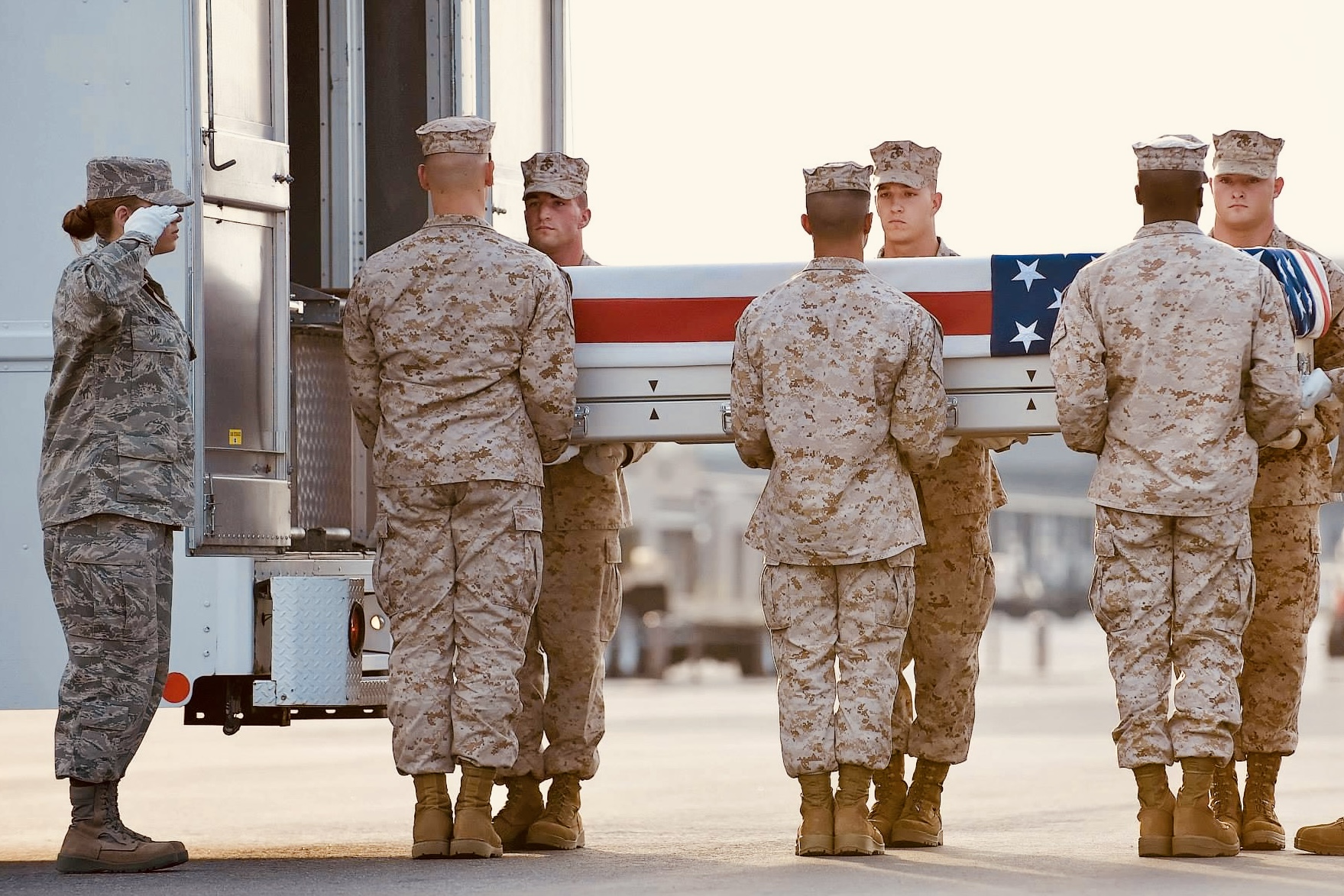
Dover didn’t give me a sermon. It gave me a measurement.
Excerpt
From the prologue — Dover's Silence
The ride from Washington, D.C. to Delaware is about two hours when traffic behaves. That night, time didn’t behave.
We were trained for violence and trained for ceremony. We knew how to clear a room and how to stand still while tourists filmed. But nobody trained us for Dover.
By the time we rolled through the gate, cold hit like correction. Jet fuel and frost. Floodlights bleaching the tarmac into hard shapes: gray concrete, black sky, white breath.
Dover didn’t give me a sermon. It gave me a measurement.
Excerpted from Warrior’s Light, Prologue — Dover’s Silence.
The names
The cost carried forward
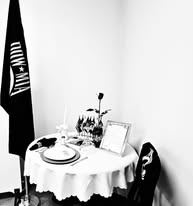
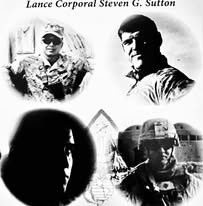
A chapter of the memoir is given to the men who did not come back. The book names them plainly: Hospital Corpsman (FMF) Eric D. Warren, Lance Corporal Steven G. Sutton, Lance Corporal Eugene C. Mills III, and Lance Corporal Hunter D. Hogan.
Names are not decorations. They are weight.
The rebuild
Clemson, and the turn
The rebuild runs through community college to Clemson, and through the people who kept showing up while it happened. On November 18, 2017, wearing #27, the author carried the American flag down The Hill.
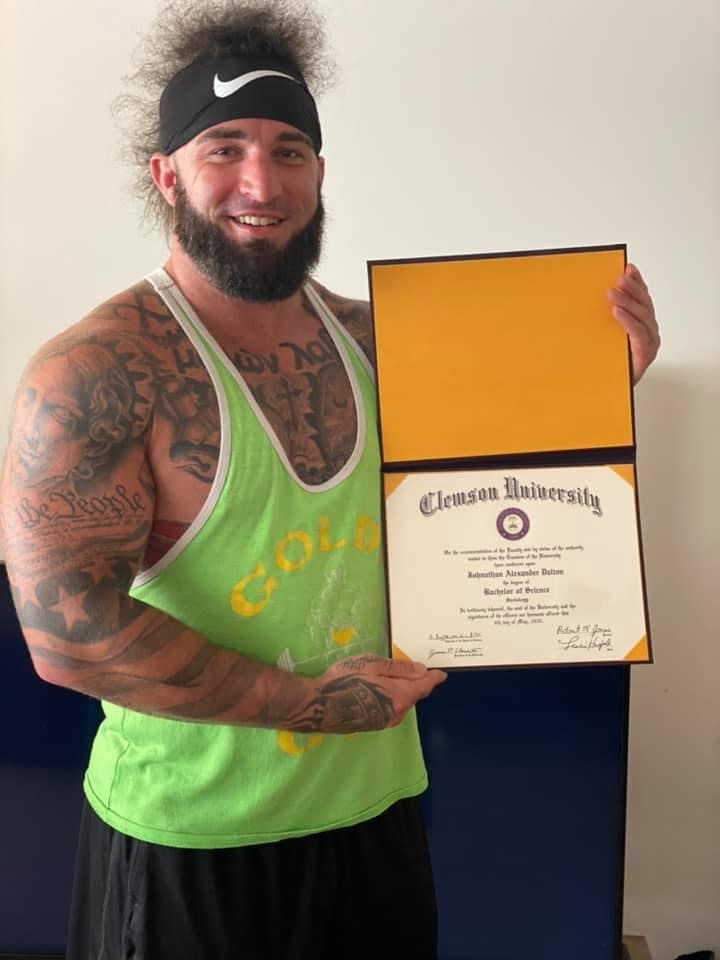
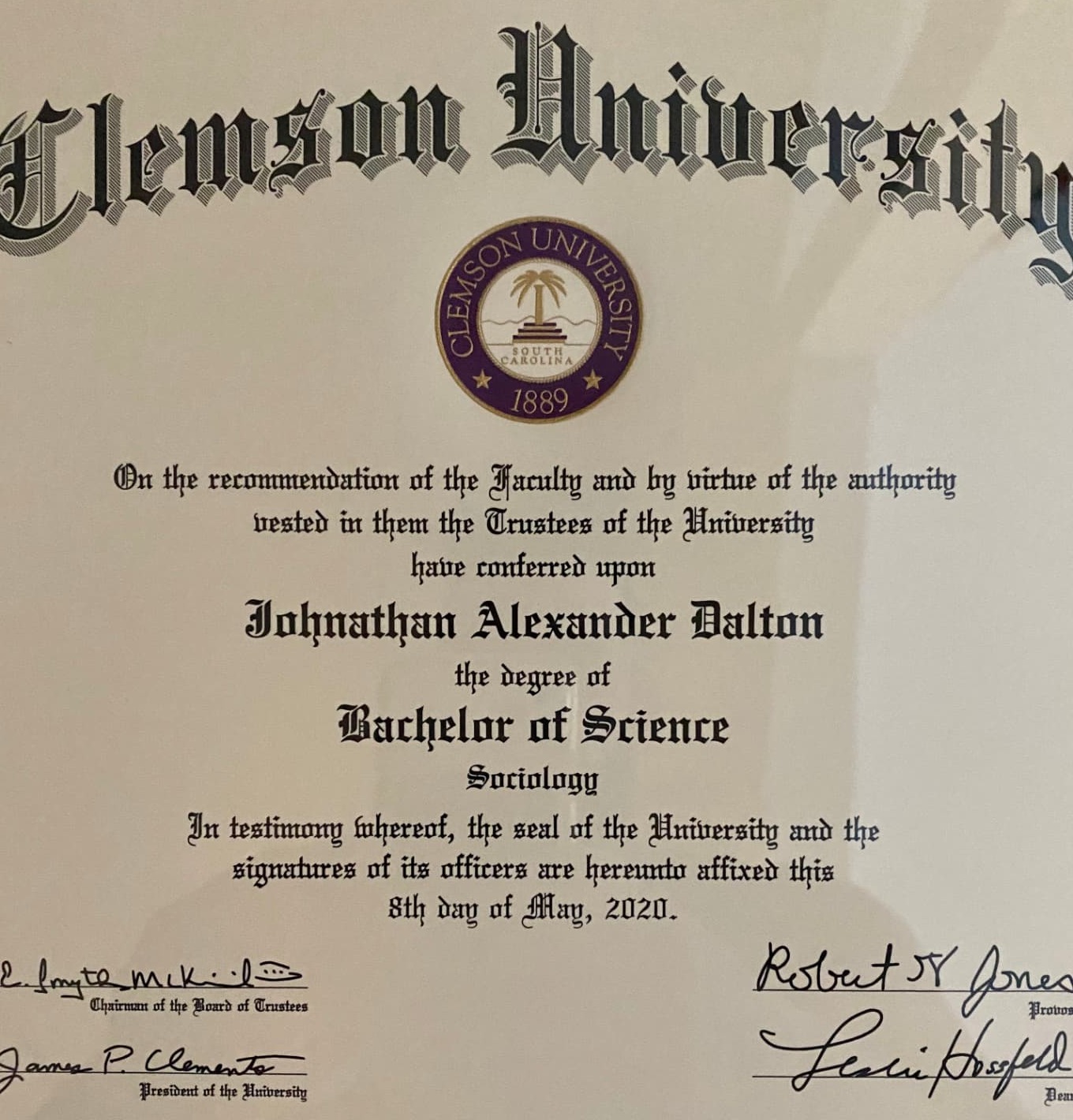
It ends with a degree: a Bachelor of Science in Sociology from Clemson University, conferred May 8, 2020.
The fight years
Cage, cornerman, discipline
Between the uniform and the degree came the gym: striking, conditioning, and the ordinary discipline of showing up. The memoir treats fighting less as spectacle than as a place to put what could not be set down.

Influence
What people wrote back
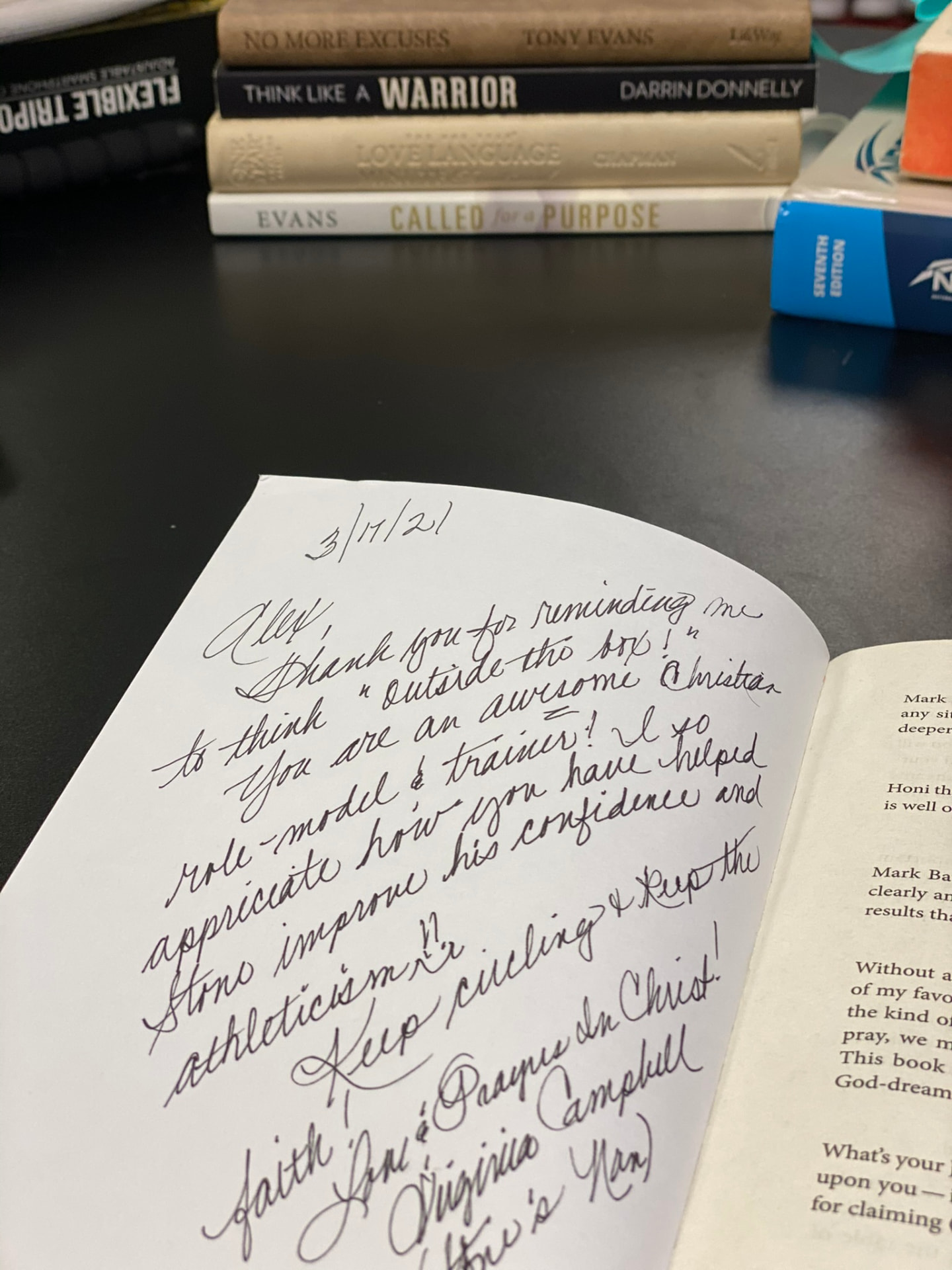
Some of the record of a life is kept in other people’s handwriting — notes left inside books, passed across gym floors and desks.
Home Place
Where the story lands
This isn’t a story about victory. This is a story about response.
The book ends in dirt rather than in a stadium: family ground in the South Carolina upstate, Papa’s standard of stewardship, and the slow work of restoring what was treated as expendable.
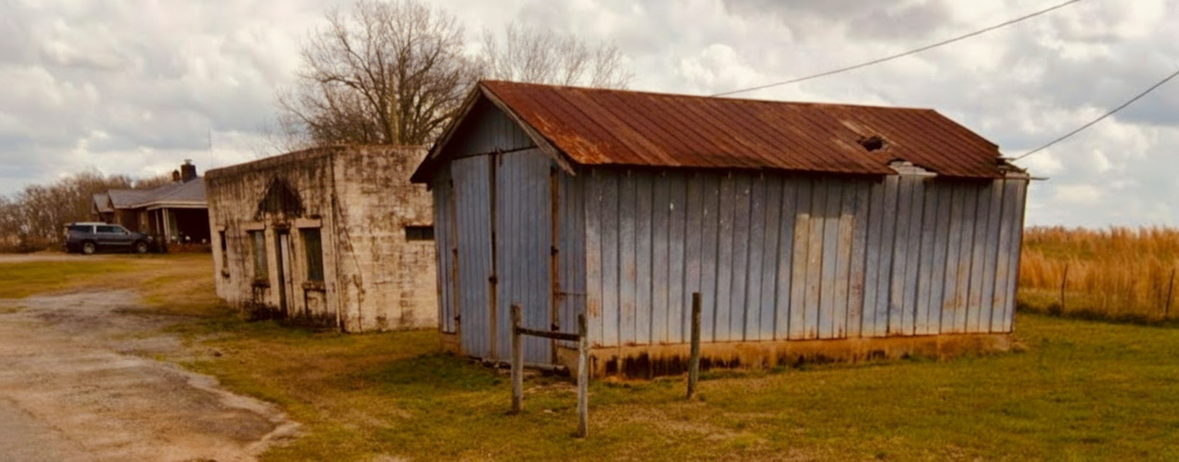
Read more about Home Place and Papa
More about Johnathan Alexander Dalton, author of Warrior’s Light